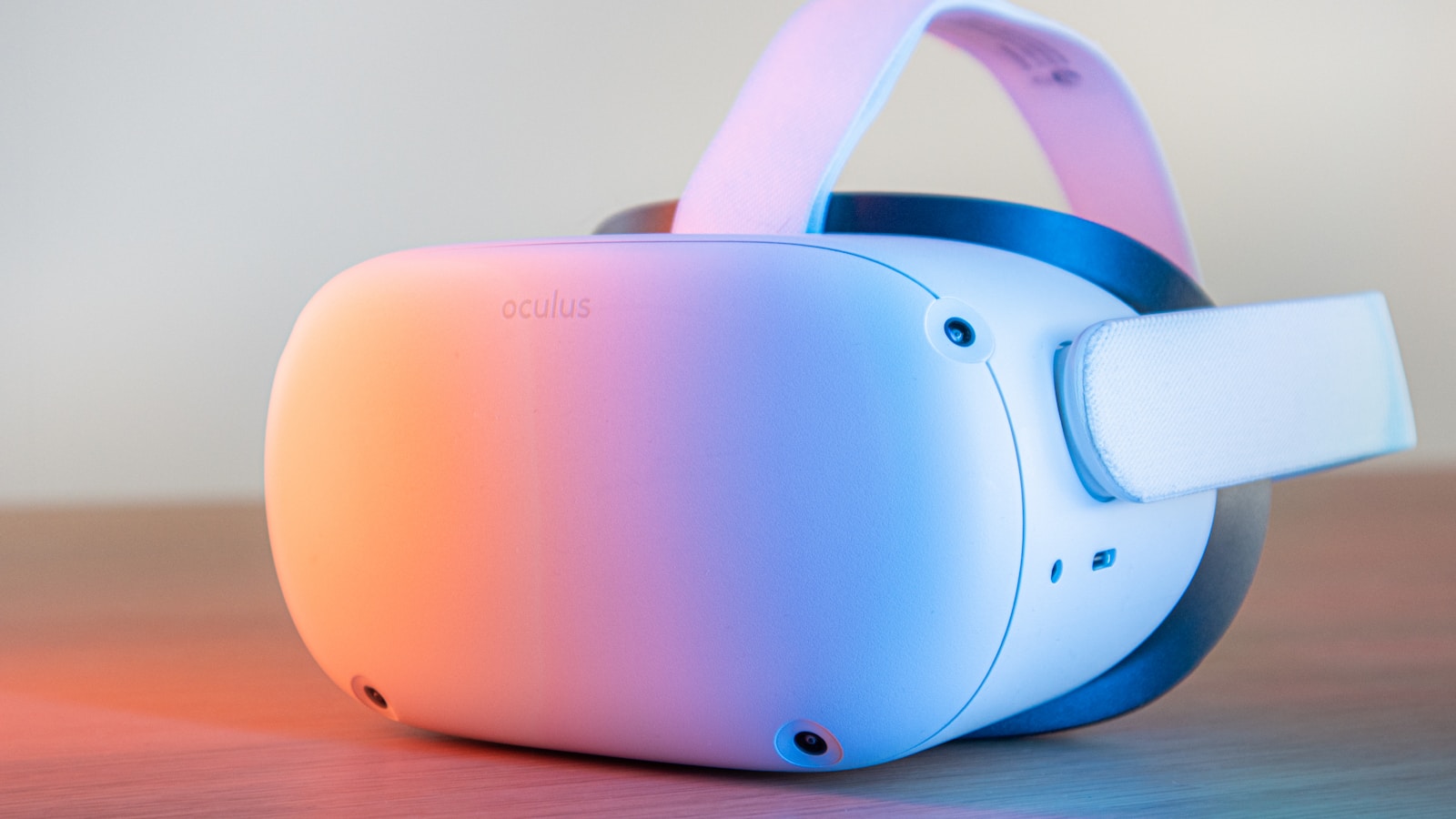
Immersive training, smart classrooms, meeting rooms, video walls and AV environments planned around the audience’s task. This OBRAS editorial guide explains the operating questions that should be clarified before a solution is selected, designed or integrated. It is a service guide, not a client case study or a promise of a particular outcome.
Start with the operating problem
A video wall, meeting room or headset is not a solution by itself. The value comes from what people need to understand, rehearse or decide in that environment. Projects lose momentum when content ownership, room acoustics, device support and accessibility are treated as afterthoughts.
What a workable solution can cover
A sound scope starts with the audience and the moment of use: a technician learning a task, a leadership team reviewing an operational view, a class collaborating, or a visitor receiving a clear briefing. It then covers content flow, room layout, display and audio requirements, connectivity, control, support procedures and the way the experience will be updated.
Design for people, process and support
Technology creates value when it fits a repeatable operating rhythm. That means agreeing who uses the system, what they need to see, how an exception is escalated and where a decision is recorded. It also means documenting dependencies before implementation: site conditions, data quality, network boundaries, vendor interfaces, change windows and support contacts. A phased approach is often clearer than a broad launch. Teams can first establish the baseline, validate one workflow, train the people who own it and then use evidence from that step to decide what should be extended.
For OBRAS, the practical service conversation can move through consult, audit, design, build, operate and support. The exact mix depends on the brief. Some clients may need a readiness review and roadmap; others may need integration planning, an operating dashboard, site coordination or a support handover. The goal is to define a solution boundary that a client can understand, approve and maintain—not to bundle every possible technology into one proposal.
Questions to resolve before approval
What must a person be able to do after the experience? Who owns content updates? How will the room work when a device or network connection fails? What is the accessible fallback for users who cannot use a headset or hear audio clearly? Answers to these questions make the experience more durable.
A useful brief records these answers alongside a clear success condition. It should identify what is in scope, what is not in scope, the responsible stakeholders, acceptance checks, training requirements and the route for future changes. This helps decision-makers compare options on operational fit, not only on feature lists. It also gives the eventual support team a starting point for monitoring, maintenance and improvement.
Global reference and evidence boundary
Microsoft’s Mixed Reality Guides documentation illustrates how guided, step-based content can be used to support hands-on work and training. Open the reference ↗
Editorial source-review cutoff requested for this guide: 3 August 2026, 20:00 ICT. This article is an original OBRAS service explainer. It does not state that OBRAS, a client or a site has achieved a specific metric, certification or outcome.