OBRAS Insight • Cloud
Data Center, Cloud and Network Readiness for Growing Teams
The infrastructure checklist for reliable servers, cloud services, VOIP and always-on operations.
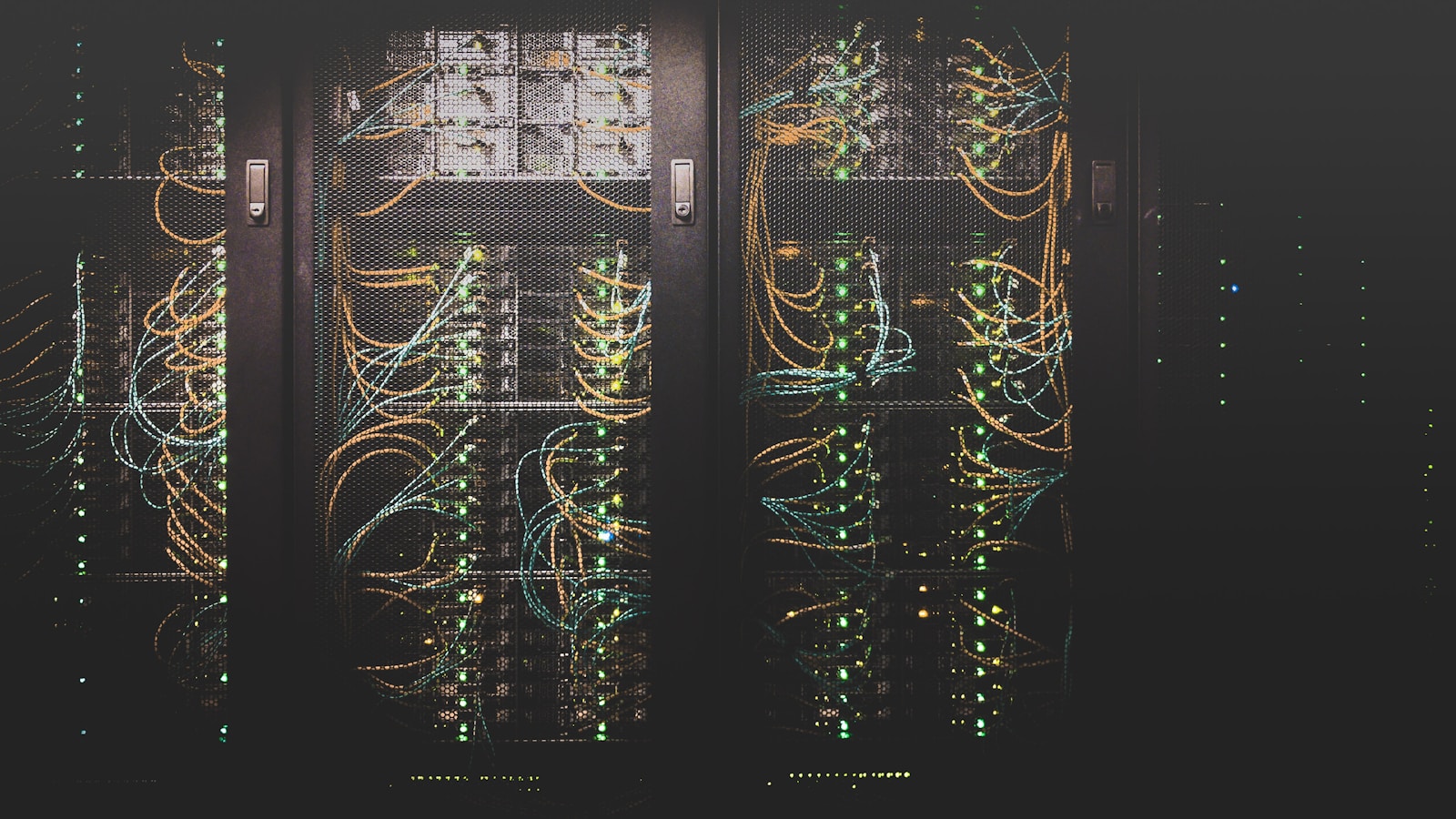
Technology buyers in Thailand are moving from isolated devices to integrated systems. The best projects connect data, operations and long-term support from the first design discussion. For OBRAS clients, that means selecting components that can be maintained, secured and expanded after launch.
What matters now
Successful projects start with clear outcomes: safer sites, faster decisions, lower downtime, better energy visibility or a smoother customer experience. Hardware is only one layer. Network readiness, cybersecurity, dashboards, user training and service-level planning decide whether the system keeps delivering value.
How OBRAS approaches it
OBRAS maps the site, stakeholders and technical requirements, then designs an architecture that brings sensors, software, infrastructure and support together. This helps avoid duplicate systems, weak handover and unclear maintenance responsibility.
- Define business goals and measurable KPIs.
- Design an integration-ready architecture.
- Plan data, network, security and support from day one.
- Deploy in phases so the system can scale safely.
Planning perspective
Prepare the foundation before adding the next system
Cloud, server-room and network choices shape the reliability of every connected service that follows. Teams should decide what needs local resilience, what can be managed in the cloud, how remote access is governed and who owns performance monitoring. A clear foundation avoids adding critical workloads to capacity that has not been measured or documented.
The planning sequence normally reviews power, cooling, racks, switching, links, identity, backup, monitoring and the route from a field device to an application. It also records dependencies: a camera, building controller or dashboard may appear independent until its network, storage or identity service fails.
A practical handover gives operations staff an asset list, diagrams, access process, monitoring thresholds and an agreed support path. That documentation is as important as the hardware because it lets teams diagnose change, plan maintenance and expand with confidence.
Questions to bring into the next planning conversation
A useful discussion about Data Center, Cloud and Network Readiness for Growing Teams starts with the site conditions, not a generic product list. Ask which team owns the operating decision, which existing information is trusted, and what must remain available when a component or connection fails. Establish the people who will use the system, the people who maintain it and the practical limits that affect deployment.
- What decision or response should become clearer for the operating team?
- Which current systems, data sources and site conditions must be understood first?
- What should be tested in a limited first phase before wider rollout?
- Who owns training, access, support and change after handover?
These questions do not replace a technical survey or project design. They make it easier to compare options against the way the organisation actually works, and to create a scope that can be explained to both operational and technical stakeholders.
This is an editorial planning guide, not a client case study. A suitable scope depends on the site, existing systems, operational responsibilities and agreed requirements.